INFJ and ENFP: A Soulmate Connection? Compatibility Explored
Explore the magnetic connection between INFJs and ENFPs. This guide dives into their unique bond, strengths, challenges, and practical tips for a thriving relationship.


The INFJ and ENFP pairing, often dubbed the "Golden Pair," shares a magnetic connection fueled by complementary intuition and deep emotional understanding. While they enjoy profound intellectual stimulation and mutual support, they must actively navigate challenges like differing social needs (introversion/extroversion) and communication styles. Success hinges on direct communication, respecting individual needs, and a commitment to mutual growth.
- The magnetic attraction between INFJs and ENFPs stems from their complementary intuitive functions (Ni-Ne) and shared values (Fe-Fi), fostering instant, profound understanding and intellectual stimulation. This allows them to connect on a deep emotional and intellectual level.
- Despite their strong bond, challenges arise from differing social needs (introvert vs. extrovert), communication styles (reserved vs. expressive), and decision-making approaches (Ti vs. Te). These require conscious effort to navigate effectively.
- To thrive, INFJs should practice direct communication of needs, while ENFPs should be mindful of sensitivity and avoid being overly critical. Actively listening, validating each other's feelings, and compromising on practical decisions are crucial for harmony.
- Long-term success relies on prioritizing quality time, supporting each other's personal growth, and regularly re-evaluating the relationship's dynamic. Practicing forgiveness and acceptance helps maintain a resilient and evolving partnership.
In the realm of personality type pairings, the INFJ and ENFP relationship often stands out as a beacon of potential. Dubbed the "Golden Pair" by some, this combination is celebrated for its deep connection, shared values, and mutual understanding. However, like any relationship, it's not without its challenges. This article delves into the intricate dynamics of the INFJ and ENFP pairing, exploring what makes them click, the hurdles they might face, and practical strategies for building a lasting and fulfilling partnership.
Understanding Each Type
Before diving into the intricacies of their compatibility, let's briefly examine what each type brings to a romantic relationship:
INFJ: The Advocate
INFJs are known for their deep empathy, strong values, and insightful nature. They seek authentic connections and are deeply committed to their partners. Key traits include:
- Idealistic Vision: INFJs have a clear vision for the future and strive to create a better world, often seeking a partner who shares this passion.
- Intense Loyalty: Once committed, INFJs are incredibly loyal and devoted partners, prioritizing the needs of their loved ones.
- Need for Depth: INFJs crave meaningful conversations and emotional intimacy, seeking a partner who can engage in profound discussions.
ENFP: The Campaigner
ENFPs are energetic, enthusiastic, and imaginative individuals who thrive on exploring new possibilities. They bring a sense of adventure and optimism to their relationships. Key traits include:
- Passionate Enthusiasm: ENFPs approach life with a contagious enthusiasm, bringing excitement and spontaneity to the relationship.
- Deeply Caring: ENFPs are highly empathetic and genuinely care about the well-being of others, offering unwavering support and understanding to their partners.
- Desire for Growth: ENFPs are constantly seeking personal growth and encourage their partners to do the same, fostering a dynamic and evolving relationship.
Why They Attract Each Other
The attraction between INFJs and ENFPs stems from a unique blend of shared values and complementary strengths. Their connection often feels instant and profound, fueled by:
- Intuitive Understanding (Ni-Ne): Both types are driven by intuition, allowing them to connect on a deeper, unspoken level. The INFJ's introverted intuition (Ni) provides a focused vision, while the ENFP's extroverted intuition (Ne) explores a wide range of possibilities. This creates a dynamic where the INFJ can help the ENFP refine their ideas, and the ENFP can inspire the INFJ with new perspectives.
- Shared Values (Fe-Fi): Both types value authenticity, compassion, and personal growth. The INFJ's extroverted feeling (Fe) seeks harmony and connection with others, while the ENFP's introverted feeling (Fi) prioritizes personal values and integrity. This shared emphasis on values creates a strong foundation for mutual respect and understanding.
- Complementary Strengths: The INFJ's focus and depth complement the ENFP's enthusiasm and breadth. The INFJ can help the ENFP stay grounded and focused on their goals, while the ENFP can encourage the INFJ to step outside their comfort zone and embrace new experiences.
- Intellectual Stimulation: Both types enjoy exploring complex ideas and engaging in stimulating conversations, creating a vibrant and intellectually fulfilling relationship.
Relationship Strengths
When an INFJ and ENFP pair up, their relationship is often characterized by:
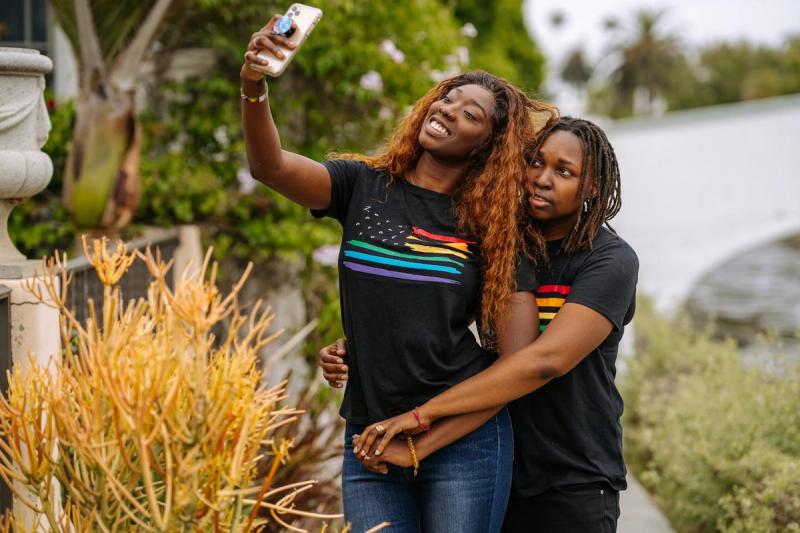
- Deep Emotional Connection: Their shared empathy and intuitive understanding allow them to connect on a profound emotional level, creating a strong sense of intimacy and vulnerability. They can often sense each other's feelings without needing to be explicitly told.
- Mutual Support and Encouragement: They genuinely believe in each other's potential and provide unwavering support for their dreams and aspirations. The ENFP's enthusiasm can motivate the INFJ to pursue their passions, while the INFJ's insightful guidance can help the ENFP stay focused and achieve their goals.
- Intellectual Stimulation and Growth: They enjoy engaging in deep conversations, exploring new ideas, and challenging each other's perspectives. This constant intellectual stimulation keeps the relationship dynamic and prevents it from becoming stagnant. For example, they might spend hours discussing philosophical concepts or brainstorming creative projects.
- Shared Values and Purpose: Their shared commitment to making a positive impact on the world creates a strong sense of purpose and meaning in the relationship. They often find themselves working together on causes they care about, further strengthening their bond. They might volunteer together, advocate for social justice, or simply strive to live a more ethical and sustainable lifestyle.
- Balance and Harmony: The INFJ's grounded nature can balance the ENFP's impulsiveness, while the ENFP's spontaneity can bring excitement and adventure to the INFJ's life. This complementary dynamic creates a sense of balance and harmony within the relationship.
Potential Challenges
Despite their strong connection, INFJ and ENFP relationships can face challenges, including:
- Different Social Needs: INFJs are introverts who need ample alone time to recharge, while ENFPs are extroverts who thrive on social interaction. This can lead to conflict if the INFJ feels overwhelmed by the ENFP's social activities, or if the ENFP feels neglected by the INFJ's need for solitude. For example, the ENFP might want to go out with friends every weekend, while the INFJ prefers to stay home and read or relax.
- Communication Styles: INFJs tend to be more reserved and indirect in their communication, while ENFPs are more open and expressive. This can lead to misunderstandings if the INFJ doesn't clearly communicate their needs, or if the ENFP misinterprets the INFJ's subtle cues. For example, an INFJ might express their dissatisfaction with a situation through passive-aggressive behavior, which the ENFP might not pick up on.
- Decision-Making Differences (Ti-Te): INFJs rely on their introverted thinking (Ti) to analyze information and make logical decisions, while ENFPs use extroverted thinking (Te) to organize and execute plans. This can lead to disagreements about how to approach practical matters. The INFJ might prefer to carefully consider all the options before making a decision, while the ENFP might be more inclined to take action and figure things out along the way.
- Over-Idealization: The initial strong connection can lead to over-idealization, where they overlook each other's flaws and unrealistic expectations. When reality sets in, they may experience disappointment and disillusionment. It's important to remember that no one is perfect and to accept each other's imperfections.
- Burnout and Overextension: Both types are prone to overextending themselves in their efforts to help others or pursue their passions. This can lead to burnout and resentment if they don't prioritize self-care and set healthy boundaries. They need to remind each other to take breaks, recharge, and avoid taking on too much.
Communication Tips
To navigate potential challenges, INFJs and ENFPs can benefit from the following communication strategies:

- Practice Direct and Honest Communication: INFJs should strive to express their needs and feelings more directly, while ENFPs should be mindful of the INFJ's sensitivity and avoid being overly critical. Use "I" statements to express your feelings without blaming your partner. For example, instead of saying "You never listen to me," try saying "I feel unheard when I'm interrupted."
- Respect Each Other's Needs for Introversion and Extroversion: Find a balance between social activities and alone time that satisfies both partners. Schedule regular date nights but also respect the INFJ's need for quiet evenings at home. The ENFP can also pursue their social interests independently, allowing the INFJ to recharge without feeling pressured to participate.
- Actively Listen and Validate Each Other's Feelings: Make a conscious effort to understand each other's perspectives and validate their emotions, even if you don't agree with them. Ask clarifying questions and show genuine empathy. For example, if the INFJ is feeling overwhelmed, the ENFP can offer a listening ear and validate their feelings by saying, "I understand that you're feeling stressed. Is there anything I can do to help?"
- Compromise on Decision-Making: Be willing to compromise and find a decision-making style that works for both of you. The INFJ can try to be more flexible and open to the ENFP's ideas, while the ENFP can try to be more patient and considerate of the INFJ's need for careful planning. Perhaps use a pros and cons list that incorporates both logic and values.
Making It Work Long-Term
For an INFJ and ENFP relationship to thrive long-term, consider these strategies:
- Prioritize Quality Time: Make a conscious effort to spend quality time together, engaging in activities that you both enjoy. This could involve going on dates, having deep conversations, or simply cuddling on the couch while watching a movie. The key is to be present and attentive to each other.
- Support Each Other's Personal Growth: Encourage each other to pursue their passions and develop their individual talents. Attend each other's events, offer constructive feedback, and celebrate each other's successes. This will help you both grow as individuals and strengthen your bond as a couple.
- Practice Forgiveness and Acceptance: No relationship is perfect, and there will be times when you hurt or disappoint each other. Practice forgiveness and acceptance, recognizing that everyone makes mistakes. Focus on the positive aspects of your relationship and remember why you fell in love in the first place.
- Regularly Re-evaluate and Adjust: Relationships evolve over time, so it's important to regularly re-evaluate your needs and expectations. Have open and honest conversations about what's working and what's not, and be willing to adjust your relationship dynamic as needed. This will help you stay connected and ensure that your relationship continues to meet both of your needs.
FAQ Section
Are INFJs and ENFPs really the "Golden Pair"?
While the term "Golden Pair" suggests an ideal match, it's an oversimplification. They have a strong potential for deep connection, but compatibility depends on individual maturity and willingness to work through challenges.
What are the biggest red flags in an INFJ/ENFP relationship?
Ignoring each other's needs for introversion/extroversion, consistently dismissing each other's feelings, and a lack of open communication are significant red flags.
How can an INFJ and ENFP improve their sex life?
Communicate openly about desires and needs. INFJs may need encouragement to express themselves, while ENFPs can help create a playful and experimental atmosphere. Focus on emotional intimacy as a foundation.
Are INFJ and ENFP friendships also strong?
Yes, INFJ and ENFP friendships can be incredibly rewarding. They understand each other's values and provide mutual support and inspiration, although the same challenges with social needs and communication styles can still arise.
The editorial byline for MBTI Type Guide. How our articles are researched, written, reviewed and translated is described on our Editorial Methodology page.
Frequently Asked Questions
Are INFJs and ENFPs really the "Golden Pair"?+
While often called the "Golden Pair" due to their strong potential for deep connection and shared values, this term oversimplifies their relationship. True compatibility hinges on individual maturity and a willingness to actively work through inherent challenges, rather than being an automatic ideal match. It signifies a high potential, not a guaranteed perfect pairing.
What are the biggest red flags in an INFJ/ENFP relationship?+
Significant red flags include consistently ignoring each other's differing needs for introversion or extroversion, dismissing each other's feelings, and a persistent lack of open and direct communication. Over-idealization of the partner can also lead to disappointment when reality sets in, creating unrealistic expectations.
How can an INFJ and ENFP improve their sex life?+
Improving their sex life requires open communication about desires and needs. INFJs may need encouragement to express themselves directly, while ENFPs can foster a playful and experimental atmosphere. Building on their foundation of deep emotional intimacy is key to a fulfilling physical connection, ensuring both partners feel heard and understood.
Are INFJ and ENFP friendships also strong?+
Yes, INFJ and ENFP friendships can be incredibly strong and rewarding due to their mutual understanding of values and shared intuition. They provide significant support and inspiration for each other, often engaging in deep conversations. However, they may still encounter challenges related to differing social needs and communication styles, similar to romantic relationships.
Get Personality Insights
Weekly articles on career, relationships, and growth — tailored to your personality type.
No spam, unsubscribe anytime. Privacy Policy
Comments(3)
I've seen the INFJ/ENFP pairing work well, but I think the article downplays how much effort the communication styles and decision-making differences can really take. The 'compromise on decision-making' part is easier said than done, especially if one person is super analytical (like me!) and the other is more spontaneous. How do couples really bridge that gap without constant frustration?
As an ENFP, the point about INFJs being more reserved and me being more expressive really hit home. Sometimes I have to consciously slow down and give my INFJ space to fully articulate what they're feeling, instead of just jumping to conclusions. And yes, the decision-making contrast with Ti-Te is spot on; I'm often ready to just dive in while they're still mapping out every single step!
My partner is an ENFP, and this article perfectly captures our dynamic. We definitely have that instant, profound connection you mentioned – feels like we speak a secret language. But the social needs difference is SO real. I need my cave time, and he's ready for a party. We've learned to balance it by me having my quiet evenings while he goes out with his friends sometimes, which works for us instead of over-idealizing we're always together.
People Also Enjoy Reading
Why Your MBTI Compatibility Chart Lies: Unlocking Deeper Connections
The simplistic pairings promised by MBTI compatibility charts offer little real insight into lasting relationships. Scientific evidence points to more robust models for understanding true connection.
Read moreWhy Your MBTI Type Isn't a Fixed Portrait
For decades, the Myers-Briggs Type Indicator offered a snapshot of who you are. But an evolving understanding of personality suggests we move beyond rigid categories, revealing the fluid, dynamic nature of self.
Read moreYour Unseen Weakness: How the Inferior Function Shapes Your Closest Bonds
Often dismissed as mere 'weakness,' your least preferred cognitive function silently orchestrates profound challenges in your intimate relationships. This is not about avoiding conflict. It is about uncovering the hidden architecture of your emotional world.
Read moreYour MBTI Spirit Animal: A Surprisingly Accurate Guide
Ever wondered what your spirit animal is based on your MBTI type? Prepare for some surprisingly accurate (and hilarious) insights. Find out now!
Read moreWhy the MBTI's Popularity Harms Employees and Organizations Alike
The MBTI's pervasive use in organizations often undermines diversity and growth. This essay explores the ethical pitfalls of personality assessments and offers actionable alternatives.
Read moreWhy Most People Misidentify Their MBTI Type — And What It Costs Them
Explore the psychological mechanisms behind mistyping in the MBTI community and discover the hidden costs of operating under a false identity.
Read more