Explore the relationship dynamics between ESFJ (The Consul) and ISFP (The Adventurer)
ESFJ and ISFP share 2 dimension(s) and differ on 2. This creates a dynamic relationship with both natural understanding and growth opportunities.
Shared dimensions: S/N, T/F
Practice active listening and validate each other's perspective before offering solutions
The introvert should express needs for alone time clearly, while the extravert should respect those boundaries
Set clear expectations about deadlines and flexibility — find a middle ground between structure and spontaneity
The ESFJ leads with Fe — extraverted Feeling. They orient outward, reading other people's needs, creating harmony, ensuring everyone in their circle feels valued and cared for.
The ISFP leads with Fi — introverted Feeling. They orient inward, reading their own values, maintaining authenticity, ensuring their life reflects who they genuinely are.
The exchange: the ESFJ provides the ISFP with community. The ISFP, who tends to isolate, gains access to the ESFJ's warm social world — a world where people are kind, connections are maintained, and belonging is created.
The ISFP provides the ESFJ with depth. The ESFJ, who tends to prioritize others' needs, gains access to the ISFP's rich inner world — a world where values are examined, authenticity is paramount, and self-knowledge is cultivated.
Both need what the other offers. The ISFP needs community but can't build it alone. The ESFJ needs depth but can't access it alone. Together, both people gain what they couldn't generate independently.
The ESFJ values social conventions. They follow established patterns because those patterns maintain the relationships and communities they care about. Convention is care expressed through consistency.
The ISFP questions social conventions. They follow their own values because authenticity is the only guide they trust. Nonconformity is integrity expressed through independence.
The question arises repeatedly: how much convention? The ESFJ wants the ISFP to participate in family traditions, social obligations, and community events. The ISFP wants to participate only when it feels genuine.
The resolution requires mutual education, similar to many F-type pairings. The ESFJ identifies which conventions carry genuine emotional significance — the holiday gathering that means everything to their mother, the community event that strengthens real relationships. The ISFP participates in those with genuine presence.
The ISFP identifies which conventions feel performative — the obligation that serves appearance rather than connection. The ESFJ releases those without guilt.
“The Provider”
ESFJs are extraordinarily caring, social, and popular people, always eager to help. They are warm-hearted, conscientious, and cooperative, with a strong desire to please and provide for others. ESFJs are the glue that holds families and communities together.
View full profile“The Composer”
ISFPs are flexible and charming artists, always ready to explore and experience something new. They are quiet, friendly, and sensitive, with a strong aesthetic sense and a love for beauty in all its forms. ISFPs live in the present and enjoy their surroundings with cheerful enjoyment.
View full profile
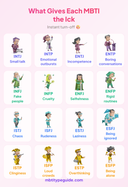
Ever wonder why your group chat is the way it is? Blame (or thank!) your friends' MBTI types. Find out the hilarious role each personality plays!
My palms are sweating as I tell you this: I once completely misunderstood what an INFP client genuinely needed in a relationship. We often mistake their quiet intensity for simple sensitivity, missing the deep depths they crave.
My palms are sweating as I write this, remembering the relationships I’ve watched crumble not from malice, but from the purest intentions. What if the very qualities you rely on, the ones that make you a pillar for others, are quietly eroding your closest bonds?
Unlock the secrets to first date success with our MBTI-based guide! Learn how each personality type approaches dating and get tailored tips to make a lasting impression.
Take our free personality test and find your compatibility with all 16 types.
The result: fewer events, attended more genuinely. This actually serves the ESFJ's goal better than maximum attendance — because genuine participation creates stronger bonds than dutiful appearance.
The ESFJ's care is active and practical. They cook, organize, anticipate, and provide. Their love language is service — visible, tangible, consistent.
The ISFP's care is passive and emotional. They listen, notice, create beauty, and provide presence. Their love language is attention — quiet, subtle, genuine.
The dynamic: the ESFJ gives visibly. The ISFP gives invisibly. Both are giving generously. Neither always recognizes the other's contribution.
The ESFJ may feel that they're doing all the work. The cooking, the organizing, the managing — it's all visible and it's all them.
The ISFP may feel that their contributions are dismissed. The deep listening, the artistic touches, the emotional presence — it's all there but nobody counts it as contribution.
The correction: explicit recognition. The ESFJ names the ISFP's emotional care as contribution: 'The way you listened tonight made me feel completely understood.' The ISFP names the ESFJ's practical care as love: 'The dinner you made was how I knew today would be okay.'
The ESFJ needs social engagement to thrive. Without regular human connection, the ESFJ feels depleted and purposeless.
The ISFP needs solitude to create. Without regular alone time, the ISFP feels overwhelmed and disconnected from themselves.
The dance is familiar to many E-I couples but has a specific texture here. The ESFJ's social need is caring — they want to be around people to take care of them. The ISFP's solitude need is creative — they want to be alone to make something beautiful.
Both needs serve the relationship. The ESFJ's social engagement maintains the community that supports them both. The ISFP's creative solitude produces the beauty that enriches their shared life.
The ESFJ who respects the ISFP's creative time without interpreting it as rejection gets a partner who creates beauty from the wellspring of their solitude. The ISFP who participates in the ESFJ's social world without interpreting it as obligation gets a community that enhances their life without overwhelming it.
ESFJ-ISFP love both nurtures and creates. The ESFJ nurtures — tending the relationship with practical care, emotional attention, and unwavering consistency. The ISFP creates — adding beauty, authenticity, and creative depth to the life they share.
An ESFJ on their ISFP: 'She doesn't say much. She doesn't need to. What she creates says everything. The painting she made for our anniversary — it captured something about us that I could never put into words. The way she arranges the house — every detail reflects who she is, and who she is, is beautiful. I take care of the world. She makes the world worth taking care of.'
The ISFP: 'He creates warmth everywhere he goes. Not just for me — for everyone. But I get the private version. The version that shows up with my favorite tea when I'm lost in a painting. The version that defends my need for quiet to his talkative family. The version that says nothing about my mess in the studio but quietly makes sure I've eaten. He doesn't understand my art. He understands me. And understanding me is better than understanding my art.'