La neuroscienza dell'MBTI: Cosa mostrano davvero le scansioni cerebrali
Scopra come la neuroscienza si interseca con il quadro MBTI, rivelando il ruolo del cervello nella personalità e riconoscendo al contempo le complessità e i limiti di questa relazione.




- Nell'esaminare il rapporto tra MBTI e neuroscienza, ci troviamo di fronte a una domanda centrale: come si correlano le strutture e le funzioni del nostro cervello con i tipi di personalità definiti da questo ampiamente utilizzato quadro di riferimento?Per affrontare questa questione, dobbiamo prima comprendere il contesto storico dell'MBTI.
- Il rapporto tra neuroscienza e personalità si estende oltre il quadro MBTI.
- Uno dei conflitti più significativi tra il quadro MBTI e la neuroscienza contemporanea riguarda il principio fondamentale della neuroplasticità — la capacità del cervello di cambiare nel tempo a seguito delle esperienze.
- Perché l'MBTI risuona con così tanti individui?
- Guardando al futuro, l'integrazione tra psicologia della personalità e neuroscienza offre percorsi promettenti per la ricerca.
Sebbene il Myers-Briggs Type Indicator (MBTI) offra un quadro convincente per la comprensione di sé, la comunità scientifica rimane divisa sui suoi fondamenti neurobiologici. Cosa rivelano realmente le scansioni cerebrali sui nostri tipi di personalità, e stiamo forse scambiando convincenti auto-narrazioni per realtà neurologiche cablate?
L'intersezione tra personalità e neuroscienza
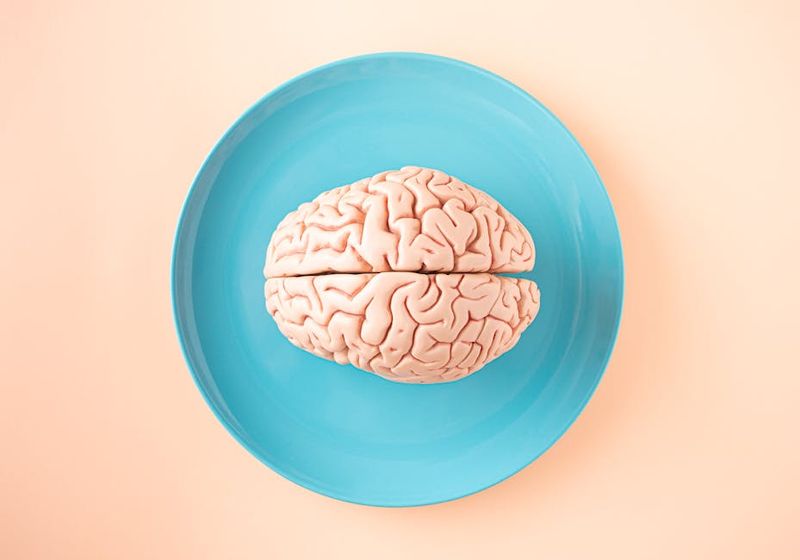
Nell'esaminare il rapporto tra MBTI e neuroscienza, ci troviamo di fronte a una domanda centrale: come si correlano le strutture e le funzioni del nostro cervello con i tipi di personalità definiti da questo ampiamente utilizzato quadro di riferimento?Per affrontare questa questione, dobbiamo prima comprendere il contesto storico dell'MBTI. Sviluppato negli anni '60 da Isabel Briggs Myers e sua madre, Katharine Cook Briggs, l'MBTI categorizza gli individui in 16 tipi distinti basandosi su quattro dicotomie derivate dalle teorie di Carl Jung. Eppure, la comunità scientifica ha dibattuto a lungo sulla validità dell'MBTI, spesso confrontandolo con modelli più fondati empiricamente come il Big Five.
Uno studio del 2011 condotto da Dario Nardi presso la UCLA ha impiegato tecniche di mappatura cerebrale EEG, riscontrando che gli otto processi cognitivi junghiani si correlano con schemi unici di attività elettrica nella neocorteccia. Questa ricerca ha coinvolto circa 58-70 soggetti, rivelando che gli individui di tipi MBTI simili mostravano una tendenza a fare affidamento sulle stesse regioni cerebrali per le attività cognitive. In particolare, metà dei soggetti condivideva il 70-90% dei propri schemi di attività cerebrale con altri dello stesso tipo.
Tuttavia, sebbene i risultati di Nardi siano intriganti per i sostenitori dell'MBTI, le debolezze metodologiche dello studio — un campione ridotto e dati EEG di superficie — impediscono di stabilire una base neurologica definitiva. Nel contesto di una neuroscienza rigorosa, rimane un caso isolato non corroborato. Ciò evidenzia la necessità di prudenza nell'interpretare tali risultati come prova di un fondamento biologico per i tipi MBTI.
Le prove in questo ambito sono contrastanti, ma suggeriscono comunque una base neurologica per il quadro MBTI. Cosa implicano dunque questi risultati per la nostra comprensione della personalità? Essi lasciano intravedere un fondamento biologico più profondo per i tratti che associamo ai diversi tipi MBTI.
Neuroscienza e personalità: Oltre l'MBTI
Tipi MBTI correlati
Coppie di compatibilità
La firma editoriale di MBTI Type Guide. La nostra pagina Metodologia editoriale descrive come i nostri articoli vengono documentati, scritti, revisionati e tradotti.
Domande frequenti
L'intersezione tra personalità e neuroscienza+
Nell'esaminare il rapporto tra MBTI e neuroscienza, ci troviamo di fronte a una domanda centrale: come si correlano le strutture e le funzioni del nostro cervello con i tipi di personalità definiti da questo ampiamente utilizzato quadro di riferimento?Per affrontare questa questione, dobbiamo prima
Neuroscienza e personalità: Oltre l'MBTI+
Il rapporto tra neuroscienza e personalità si estende oltre il quadro MBTI. Uno studio del 2019 condotto da Gountas et al. ha impiegato la fMRI per esplorare quattro stili di pensiero distinti: Emotivo/Affettivo-Comportamentale, Materiale/Pragmatico, Intuitivo/Immaginativo e Razionale/Logico. Ogni s
Il ruolo della neuroplasticità nella personalità+
Uno dei conflitti più significativi tra il quadro MBTI e la neuroscienza contemporanea riguarda il principio fondamentale della neuroplasticità — la capacità del cervello di cambiare nel tempo a seguito delle esperienze. Ciò contraddice direttamente il presupposto dell'MBTI di un tipo di personalità
Comprendere i bias cognitivi e le auto-narrazioni+
Perché l'MBTI risuona con così tanti individui? Una possibile spiegazione risiede nei bias cognitivi. L'effetto Barnum, in base al quale gli individui percepiscono affermazioni vaghe e generali come altamente accurate per se stessi, influenza in modo significativo il modo in cui le persone si relazi
Riceva approfondimenti sulla personalità
Articoli settimanali su carriera, relazioni e crescita — personalizzati per il Suo tipo di personalità.
Niente spam, cancellazione in qualsiasi momento. Informativa sulla privacy
Commenti
Sia il primo a condividere i Suoi pensieri su questo articolo.